Preparing for an interview is more than finding the right words. You also need to say them clearly, keep your answer focused and respond when a question takes an unexpected turn. That can be difficult to practise alone, especially if you are used to writing your answers rather than speaking them.
A voice mock interview gives you a way to rehearse out loud. With an AI tool, you can answer questions aloud, try follow-ups and review how you communicate without needing to arrange a practice session with someone else. As autumn hiring brings more candidates into active interview rounds, that flexibility may be useful when you want to practise around work, study or other commitments.
Voice practice is not a guarantee of interview success, and an AI interviewer cannot reproduce every human conversation. But used thoughtfully, it can help you notice what is working, improve your delivery and arrive with a clearer plan. Here is how to make your practice useful.
What is a voice mock interview?
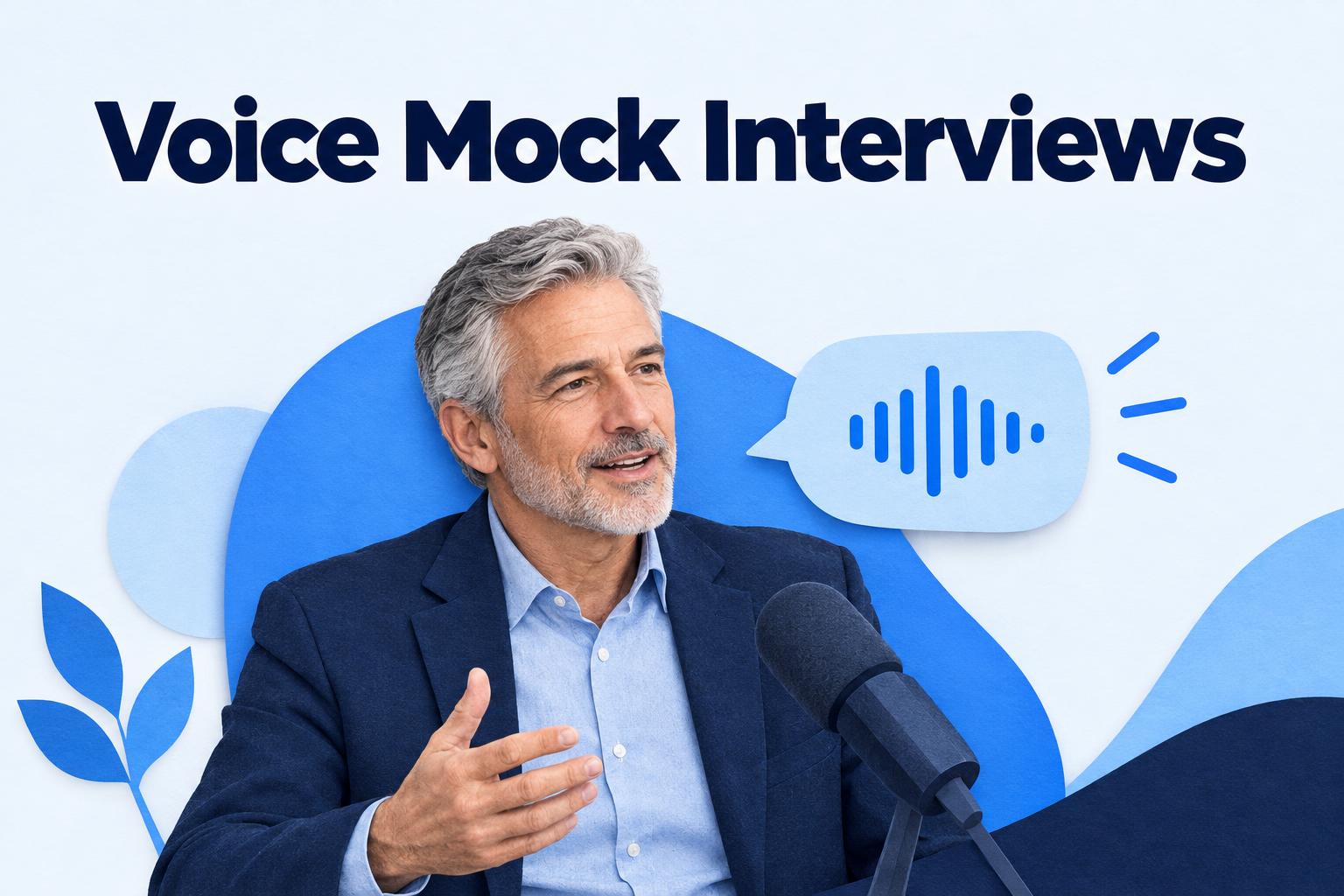
A voice mock interview is a simulated interview in which you speak your answers instead of typing them. Depending on the tool, an AI interviewer may ask questions based on a role or topic, listen to your response and offer feedback. Some tools can also ask follow-up questions, so you can practise staying composed when you need to think on your feet.
This differs from reading a list of common questions silently. Speaking gives you a chance to hear your pace, notice where you lose your train of thought and practise expressing an idea in your own words. It can also make practice feel more like an interview than writing notes does.
If you want to try a guided session, explore Clever CV mock interviews. Treat any feedback as a prompt to reflect, rather than a definitive judgement of your interview ability.
Why practise interview answers aloud?
An answer that looks polished on a page may feel awkward when spoken. You might use long sentences, repeat yourself or forget the example you intended to share. Spoken interview practice helps you discover those issues before the real conversation.
- Find your natural wording. You can turn written notes into language that sounds like you, rather than reciting a prepared paragraph.
- Improve focus. Hearing your answer can make it easier to notice when you have wandered away from the question.
- Build familiarity. Rehearsing common topics can make it easier to begin an answer, even if you still feel some nerves.
- Practise follow-ups. A simulated conversation can help you get used to explaining a choice or adding detail when asked.
- Check your delivery. You may notice that you speak too quickly, trail off or rely on filler phrases when you are thinking.
The aim is not to remove every pause or make every answer sound perfect. A thoughtful pause is normal. The aim is to make your response understandable, relevant and confident enough for the interviewer to follow.
How to practise interview answers with an AI voice tool
1. Start with the role and your evidence
Before opening an AI interview simulator, read the job description and identify the qualities the employer is seeking. Choose a few examples from your experience that show those qualities. Examples can come from paid work, volunteering, education, caring responsibilities or personal projects, depending on the question and role.
It can help to check that your application materials match the role before you practise. Use the Clever CV resume builder to organise relevant experience, or the ATS checker to review how clearly your CV reflects the job requirements. Your interview answers should add context to your application, not simply repeat it.
2. Choose a small set of questions
Begin with questions that are likely to matter for this particular opportunity. These might include “Tell me about yourself”, “Why are you interested in this role?” and a behavioural question about solving a problem or working with others. If the role involves a specific skill, prepare to explain how you have used it.
Practising every possible question can become overwhelming. A short set gives you room to improve the examples and themes that are most relevant. You can add more questions once your answers feel clearer.
3. Use a structure, not a script
For questions about past experience, a simple structure such as STAR can help: describe the situation, explain the task or challenge, outline the action you took and share the result. Keep the focus on your contribution, while giving enough context for the listener to understand why it mattered.
For motivation questions, connect your interests and experience to the role and organisation. For a question about a strength, make the answer more convincing with a brief example. In each case, note a few key points rather than writing a speech to memorise.
4. Answer aloud in one take
Start a voice mock interview and respond as if you were speaking to a person. Try not to restart every time you stumble. In a real interview, you can recover from a pause or rephrase a point; practising that recovery is useful too. If a question is unclear, practise asking for clarification rather than guessing what the interviewer means.
Once you have answered, listen back if the tool allows it. Focus first on whether your main point was easy to understand. Then consider pace, length and clarity. You do not need to analyse every word or judge how your voice sounds.
5. Practise one improvement at a time
Choose a specific change for your next attempt. You might lead with the main point, give a more relevant example, reduce background detail or explain the result more clearly. Trying to change everything at once can make practice feel less natural.
After making the adjustment, answer again without reading a script. The aim is to make the idea easier to express, not to produce an identical performance each time. If feedback from an AI tool feels vague or does not fit the question, use your own judgement and the requirements of the role.
How often should you do mock interview practice online?
There is no single schedule that suits every candidate. A few focused sessions may be more useful than a long stretch of repetitive practice. Try a session, review one or two points and return to the question later. If your interview is soon, prioritise the questions and examples most relevant to the role rather than trying to cover everything.
Make practice feel realistic, but manageable. Use a quiet space where you can speak comfortably, check that your microphone works and keep your notes nearby without reading from them. If you are practising on a phone or computer, use the setup you expect to have available. You can also ask a trusted person to listen to one answer and tell you what they understood most clearly.
Balance speaking practice with other preparation. Read about the organisation, review your application and prepare questions to ask the interviewer. If you are exploring current opportunities, browse jobs on Clever CV and tailor your preparation to each role rather than relying on one generic answer set.
Using AI interview practice thoughtfully
AI voice interview practice can make rehearsal easier to access, but it has limits. A simulated interviewer may not interpret an answer as a person would, and automated feedback may not reflect the priorities of a particular hiring team. Use it to spot patterns and practise speaking, not to decide whether you are employable or to predict an interview outcome.
Be mindful of what you share. Avoid including sensitive personal information that is not needed for practice, and check a tool's privacy information before using it. If speaking to software feels uncomfortable, you can practise with written prompts, record an answer for yourself or rehearse with someone you trust.
Also remember that confidence does not mean sounding flawless. It can mean taking a moment to think, giving an honest answer and being specific about what you learned. If you do not know something, explain how you would approach finding out rather than pretending to have experience you do not have.
Common voice mock interview mistakes to avoid
- Memorising full answers. Scripts can be hard to adapt when the wording of a question changes. Remember the example and key points instead.
- Speaking for too long. Include enough detail to make your example meaningful, but make the connection to the question clear.
- Chasing a perfect score. Tool feedback can be useful, but scores are not a substitute for relevant examples and clear communication.
- Practising without a goal. Decide what you want to improve before repeating an answer.
- Ignoring the rest of your application. Prepare consistently across your CV, cover letter and interview. You can review your wording with the Clever CV grammar checker and prepare a tailored cover letter.
Build a routine that supports your confidence
To improve interview confidence, make practice repeatable rather than intimidating. Choose a relevant question, answer aloud, review what a listener would take away and make one adjustment. Then move on. This gives you a practical way to strengthen your answers without expecting yourself to sound like a different person.
Before the interview, review your examples and the points you want to communicate, then give yourself time to rest. A voice mock interview can help you become more familiar with speaking under pressure, but it is only one part of preparation. Your experience, curiosity and ability to have a real conversation matter too.