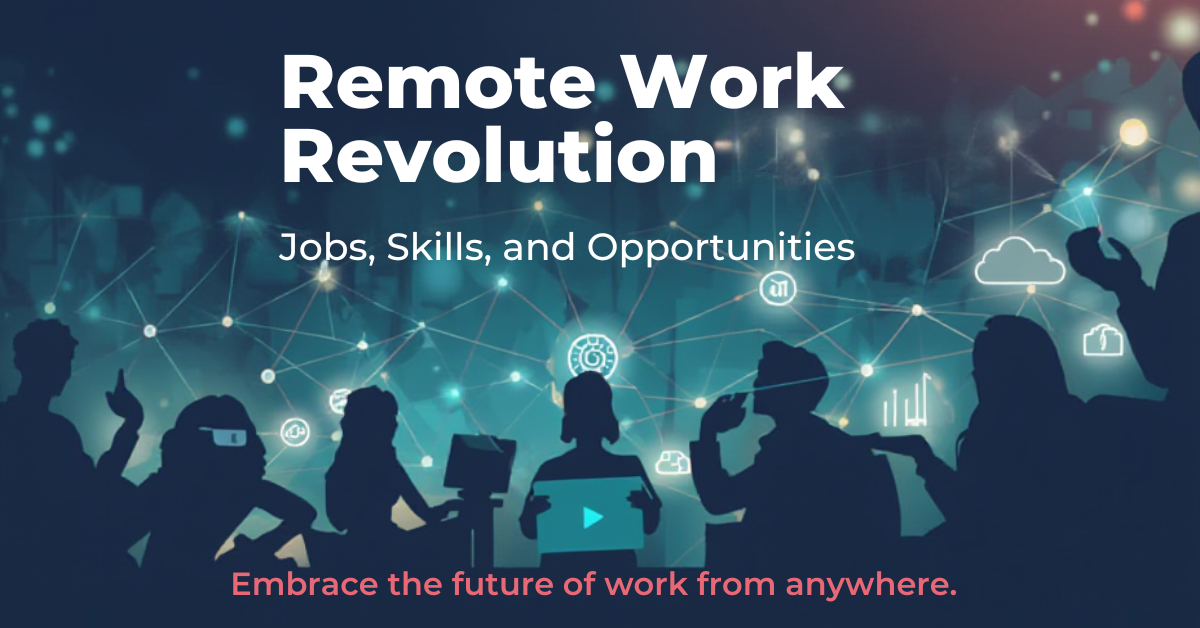
Remote work is now the default. With 28% of the global workforce operating remotely and remote positions receiving 3x more applications, understanding this landscape is essential for career success in 2026.
Remote Work by the Numbers
Top Remote Job Categories in 2026
Technology
Software development, data science, cybersecurity, cloud architecture, and AI/ML roles lead remote opportunities.
Marketing & Sales
Digital marketing, content strategy, SEO specialists, and remote sales representatives are highly sought after.
Creative & Design
UX/UI design, graphic design, video production, and creative direction thrive in remote settings.
Finance & Accounting
Financial analysts, accountants, bookkeepers, and fintech specialists work effectively remotely.
Education & Training
Online teachers, instructional designers, corporate trainers, and e-learning developers are in demand.
Customer Success
Customer support, success managers, and technical support roles have fully embraced remote work.
Skills Remote Employers Value Most
Asynchronous Communication
Clear written communication, documentation skills, and ability to work across time zones without constant meetings.
Self-Management
Time management, self-motivation, and ability to meet deadlines without direct supervision.
Tech Fluency
Proficiency with collaboration tools (Slack, Teams, Notion), video conferencing, and project management software.
Results Orientation
Focus on deliverables and outcomes rather than hours worked. Ability to demonstrate impact clearly.
Remote Work Models Explained
🏠 Fully Remote
Work from anywhere, no office required. Best for independent workers who thrive with autonomy.
16% of companies🔄 Hybrid
Mix of remote and in-office days. Most popular model, offering flexibility with face-to-face collaboration.
55% prefer this🌍 Remote-First
Remote is default, offices optional. Company culture and processes designed for distributed teams.
Growing trend🏢 Flex Office
Employees choose when to come in. Hot-desking and flexible schedules with no assigned seats.
Common in techBuilding a Remote Career
Optimize Your LinkedIn
Add "Open to Remote Work" badge. Include remote-specific skills and highlight any distributed team experience.
Build a Home Office
Invest in quality equipment: reliable internet, good webcam, ergonomic setup. This shows employers you're prepared.
Target Remote-Friendly Companies
Research companies with strong remote cultures. Look for GitLab, Automattic, Zapier, and similar remote-first organizations.
Showcase Remote Experience
Highlight past remote work, freelancing, or distributed team collaboration on your resume.
Remote Work Challenges & Solutions
😔 Isolation
Solution: Join virtual communities, schedule regular video calls with colleagues, work from co-working spaces occasionally.
🔌 Overworking
Solution: Set strict work hours, create a dedicated workspace, use calendar blocking for personal time.
📶 Distractions
Solution: Use focus apps, communicate boundaries to household members, establish clear work routines.
🚀 Career Growth
Solution: Proactively communicate achievements, seek visibility opportunities, request regular feedback.
The Future of Remote Work
Remote work is not a trend—it's a permanent shift. Companies hiring remotely receive 3x more applications, and the best talent increasingly expects flexibility. Whether you're seeking fully remote, hybrid, or flexible arrangements, developing remote work competencies is essential for long-term career success.