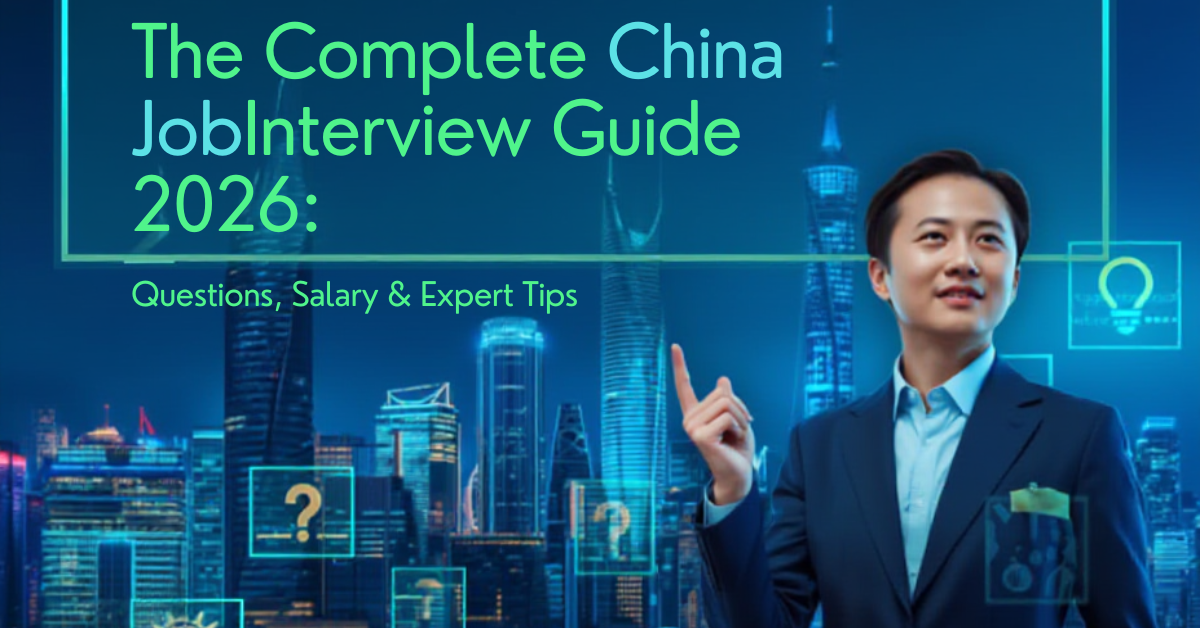
China's economy continues to be a global powerhouse in 2026, offering diverse opportunities across technology, manufacturing, finance, and emerging industries. As the world's second-largest economy with a GDP exceeding $19 trillion, China attracts ambitious professionals worldwide. However, succeeding in the Chinese job market requires understanding a unique blend of traditional values and modern business practices. This comprehensive guide provides everything you need to excel in Chinese job interviews.
The Chinese Job Market in 2026: Current Landscape
China's employment landscape reflects rapid technological advancement and economic transformation. According to the Ministry of Human Resources and Social Security, the job market shows robust growth in strategic sectors while traditional industries undergo significant restructuring.
Key Employment Statistics for 2026
- Urban employment: Over 750 million workers in urban areas
- Urban unemployment rate: 5.1% (surveyed rate)
- New urban jobs created: 12+ million annually
- Tech sector growth: 18% year-over-year job creation
- Foreign worker permits issued: 350,000+ active work permits
- Average hiring timeline: 3-6 weeks for professional roles
- Graduate employment rate: 91% within 6 months of graduation
Hottest Industries for 2026
- Artificial Intelligence and Tech: Beijing, Shanghai, Shenzhen, Hangzhou
- New Energy Vehicles (NEV): Shanghai, Guangzhou, Hefei
- Semiconductor/Chips: Shanghai, Wuhan, Chengdu
- Biotechnology and Pharma: Shanghai, Suzhou, Guangzhou
- Green Energy: Nationwide expansion
- E-commerce and Digital: Hangzhou, Shanghai, Shenzhen
- Finance and Fintech: Shanghai, Beijing, Shenzhen
Understanding Chinese Business Culture
The Concept of Guanxi (关系)
Guanxi—personal connections and relationships—remains fundamental to Chinese business culture:
- Referrals matter: Internal recommendations significantly boost hiring chances
- Network building: Professional relationships require cultivation over time
- Mutual benefit: Guanxi involves reciprocal obligations
- Trust building: Personal rapport often precedes business dealings
- Modern adaptation: LinkedIn (领英) and local platforms like Maimai (脉脉) facilitate professional networking
The Concept of Mianzi (面子) - Face
Understanding "face" is crucial for interview success:
- Preserving face: Avoid causing embarrassment to yourself or others
- Giving face: Show respect to interviewers and their position
- Humble confidence: Balance self-promotion with appropriate modesty
- Criticism handling: Indirect feedback is common; read between the lines
- Group harmony: Team cohesion valued over individual achievement
Hierarchy and Respect
- Seniority matters: Defer to older or more senior individuals
- Titles are important: Use professional titles when addressing people
- Decision-making: Often flows from top leadership down
- Meeting dynamics: Senior members typically speak first
The Chinese Interview Process
Stage 1: Application Submission
Chinese job applications have specific requirements:
- Resume format: Chinese-style 简历 (jiǎnlì) often includes photo, age, marital status
- Platforms: 智联招聘 (Zhaopin), 前程无忧 (51job), BOSS直聘, 猎聘 (Liepin), LinkedIn
- Language: Chinese resume preferred; bilingual for international companies
- Cover letter: Brief and formal; demonstrates Chinese language ability
- References: Often checked informally through guanxi networks
Stage 2: Initial HR Screening
Phone or video screening typically covers:
- Basic qualification verification
- Mandarin proficiency assessment (for non-native speakers)
- Salary expectations (薪资期望)
- Availability and notice period
- Visa/work permit status for foreigners
- General motivation and career goals
Stage 3: Technical/Professional Interview
Conducted by hiring managers or technical teams:
- Duration: 45-90 minutes
- Format: Often includes practical tests or case studies
- Tech roles: Coding challenges, system design questions
- Focus: Technical competence and problem-solving ability
- Language: May switch between Chinese and English
Stage 4: Senior Leadership Interview
Final rounds often involve senior executives:
- Cultural fit assessment: Alignment with company values
- Long-term potential: Career development vision
- Character evaluation: Personal qualities and integrity
- Commitment assessment: Stability and loyalty expectations
Top 50 Interview Questions Asked by Chinese Employers in 2026
Personal and Background Questions
- 请做一下自我介绍。(Please introduce yourself.)
- 你为什么想加入我们公司?(Why do you want to join our company?)
- 你对我们公司了解多少?(What do you know about our company?)
- 你的职业规划是什么?(What is your career plan?)
- 为什么离开上一家公司?(Why did you leave your last company?)
- 你最大的优点是什么?(What is your greatest strength?)
- 你最大的缺点是什么?(What is your greatest weakness?)
- 你如何处理工作压力?(How do you handle work pressure?)
- 你的爱好是什么?(What are your hobbies?)
- 你如何看待加班?(How do you view overtime work?)
Experience and Skills Questions
- 请介绍你的工作经历。(Please describe your work experience.)
- 你最成功的项目是什么?(What is your most successful project?)
- 你在上一份工作中学到了什么?(What did you learn in your previous job?)
- 你如何提升自己的专业技能?(How do you improve your professional skills?)
- 你有什么相关证书或资质?(What relevant certificates or qualifications do you have?)
- 描述一个你解决困难问题的经历。(Describe an experience solving a difficult problem.)
- 你的核心竞争力是什么?(What is your core competitiveness?)
- 你如何与团队合作?(How do you collaborate with a team?)
- 你带过团队吗?(Have you led a team before?)
- 你如何处理与同事的分歧?(How do you handle disagreements with colleagues?)
Situational and Behavioural Questions
- 如果领导的决定你不同意怎么办?(What if you disagree with your leader's decision?)
- 你如何安排工作优先级?(How do you prioritize your work?)
- 描述一次你面对失败的经历。(Describe a time you faced failure.)
- 你如何适应新环境?(How do you adapt to a new environment?)
- 如果客户投诉你会怎么处理?(How would you handle a customer complaint?)
- 你如何保持学习的动力?(How do you maintain motivation to learn?)
- 你遇到过职业瓶颈吗?如何突破?(Have you encountered career bottlenecks? How did you break through?)
- 你如何管理时间?(How do you manage your time?)
- 描述一次你主动创新的经历。(Describe a time you took initiative to innovate.)
- 你如何接受批评?(How do you accept criticism?)
Company and Role Questions
- 你对这个岗位有什么期望?(What expectations do you have for this position?)
- 你能为公司带来什么?(What can you bring to the company?)
- 你了解我们的产品/服务吗?(Do you understand our products/services?)
- 你对行业发展有什么看法?(What are your views on industry development?)
- 入职后你的工作计划是什么?(What is your work plan after joining?)
- 你愿意出差吗?(Are you willing to travel for work?)
- 你愿意接受调动吗?(Are you willing to accept transfers?)
- 你对我们公司文化怎么看?(What do you think of our company culture?)
- 你有什么问题想问我们?(What questions do you have for us?)
- 为什么我们应该录用你?(Why should we hire you?)
Practical and Salary Questions
- 你期望的薪资是多少?(What is your expected salary?)
- 你现在的薪资是多少?(What is your current salary?)
- 你最快什么时候能入职?(When is the earliest you can start?)
- 你现在的通知期是多久?(What is your current notice period?)
- 你能接受试用期吗?(Can you accept a probation period?)
- 你对五险一金有什么要求?(What are your requirements for social insurance and housing fund?)
- 你还在面试其他公司吗?(Are you interviewing with other companies?)
- 如果我们给你offer你会接受吗?(If we give you an offer, will you accept?)
- 你有什么想补充的吗?(Is there anything you'd like to add?)
- 你对外派到其他城市有什么看法?(What do you think about being assigned to other cities?)
Salary Expectations in China: 2026 Data by City and Industry
Monthly Salary Ranges by Industry (CNY/RMB)
💻 Internet/Tech
🏦 Finance/Banking
🤖 AI/Machine Learning
🚗 Automotive/NEV
💊 Pharmaceutical/Biotech
🏭 Manufacturing
🎓 Education (International)
📢 Marketing/Advertising
Salary by City Tier
China's cities are classified into tiers affecting salary levels:
Tier 1 Cities (Highest Salaries)
- Beijing (北京): +40-50% above national average; government, tech, finance hub
- Shanghai (上海): +45-55% above national average; finance, international business
- Shenzhen (深圳): +40-50% above national average; tech, hardware, startups
- Guangzhou (广州): +30-40% above national average; trade, manufacturing
New Tier 1 Cities
- Hangzhou (杭州): +25-35% above national average; e-commerce (Alibaba), tech
- Chengdu (成都): +15-25% above national average; gaming, tech
- Nanjing (南京): +20-30% above national average; education, tech
- Suzhou (苏州): +20-30% above national average; biotech, manufacturing
- Wuhan (武汉): +10-20% above national average; automotive, optics
- Xi'an (西安): +10-15% above national average; aerospace, tech
Tier 2-3 Cities
- National average to -20% below
- Lower cost of living offsets salary difference
- Growing opportunities as companies expand beyond Tier 1
Understanding Chinese Compensation Packages
- Base salary (基本工资): Monthly or annual base pay
- 13th month salary (年终双薪): Extra month's salary at year-end (common)
- Performance bonus (绩效奖金): Typically 1-6 months' salary
- 五险一金: Mandatory social insurance and housing fund (employer contribution ~30-40% of salary)
- Housing allowance: Common for expats and senior roles
- Meal/transport subsidies: Often provided
- Stock options (股权激励): Common in tech companies
Understanding 五险一金 (Social Benefits)
Mandatory contributions for formal employment:
- 养老保险 (Pension): 8% employee + 16% employer
- 医疗保险 (Medical): 2% employee + 10% employer
- 失业保险 (Unemployment): 0.5% employee + 0.5% employer
- 工伤保险 (Work injury): Employer only (~0.5%)
- 生育保险 (Maternity): Employer only (~1%)
- 住房公积金 (Housing fund): 5-12% employee + 5-12% employer
Chinese Interview Etiquette: Essential Guidelines
Before the Interview
- Punctuality: Arrive 10-15 minutes early; lateness is extremely disrespectful
- Dress code: Conservative business attire; dark colors preferred
- Business cards: Bring bilingual cards; exchange with both hands
- Company research: Know the company history, leadership, and recent news
- Documents: Bring multiple copies of CV, certificates, passport/ID
During the Interview
- Greeting: Slight bow or nod; handshake if initiated by interviewer
- Seating: Wait to be invited to sit; maintain good posture
- Eye contact: Respectful but not overly intense (cultural difference)
- Communication: Speak clearly and respectfully; avoid interrupting
- Humility: Balance achievements with modesty; avoid boasting
- Team emphasis: Highlight collaborative achievements over individual glory
- Respect hierarchy: Address senior interviewers appropriately
Language Considerations
- Mandarin proficiency: HSK 5-6 preferred for most professional roles
- English positions: International companies, education, some tech roles
- Code-switching: Be prepared to switch between languages
- Written Chinese: May be tested for roles requiring documentation
Working in China: Visa and Legal Requirements
Work Permit Categories
China uses a points-based foreign worker classification system:
- Category A (高端人才): High-end talent; top scientists, executives, professionals with exceptional skills
- Category B (专业人才): Professional talent; most skilled workers; bachelor's degree + 2 years experience
- Category C (普通人员): Ordinary workers; temporary or seasonal positions
Basic Requirements for Work Permit
- Bachelor's degree or higher (officially authenticated)
- Minimum 2 years relevant work experience
- Clean criminal background check
- Health examination at designated hospital
- Age typically under 60 (exceptions for high-end talent)
- No violations in previous China stays
Application Process
- Employer obtains Work Permit Notification Letter
- Apply for Z Visa at Chinese embassy/consulate
- Enter China on Z Visa
- Complete health check within 30 days
- Obtain Work Permit card
- Apply for Residence Permit
Chinese Employment Law: Key Points
Employment Contract (劳动合同)
- Written contract required: Must be signed within one month of employment
- Contract types: Fixed-term, open-ended, or project-based
- Probation period: 1-6 months depending on contract length
- After two fixed-term contracts: Employee entitled to open-ended contract
Working Hours and Leave
- Standard hours: 8 hours/day, 40 hours/week
- Overtime limits: Maximum 36 hours/month
- Overtime pay: 150% for weekdays, 200% for weekends, 300% for holidays
- Annual leave: 5 days (1-10 years), 10 days (10-20 years), 15 days (20+ years)
- Public holidays: 11 days per year
- Sick leave: Varies by local regulations; typically with reduced pay
Termination and Notice
- Notice period: 30 days written notice required
- Severance: One month salary per year of service
- Probation termination: Either party can terminate with 3 days notice
Post-Interview Protocol in China
Following Up
- Thank you message: WeChat message or email appreciated but not required
- Response time: Expect 1-3 weeks for decision
- Follow-up: One polite inquiry after stated timeline is acceptable
- Negotiation: Respectful negotiation is acceptable; avoid aggressive tactics
Accepting an Offer
- Request written offer letter with complete terms
- Verify 五险一金 contribution details
- Confirm probation period terms and salary
- Understand bonus structure and timing
- For foreigners: Confirm work permit sponsorship details
2026 China Hiring Trends
Growing Sectors
- Artificial Intelligence: Massive government investment; talent shortage
- New Energy Vehicles: China leads global NEV market; rapid expansion
- Semiconductors: Strategic priority; significant hiring despite challenges
- Biotechnology: Expanding domestic pharmaceutical industry
- Green Technology: Carbon neutrality goals driving growth
- Digital Economy: Continued expansion of e-commerce and fintech
Workplace Evolution
- Work-life balance: Growing emphasis; "996" culture facing backlash
- Remote work: Hybrid models gaining acceptance post-pandemic
- Skills-based hiring: Practical abilities increasingly valued alongside degrees
- Domestic talent: Rising quality of Chinese graduates reducing reliance on foreign hires
Conclusion: Your Path to Success in China
Succeeding in Chinese job interviews requires understanding a unique professional culture that blends rapid modernization with traditional values. The Chinese job market in 2026 offers exceptional opportunities for those who demonstrate genuine cultural awareness, relevant skills, and respect for Chinese business practices.
Whether you're a foreign professional seeking international experience or a returning Chinese national, mastering the interview process—from building guanxi to navigating hierarchical dynamics—positions you for success in one of the world's most dynamic economies.
Remember: Chinese employers value loyalty, team harmony, and long-term commitment. Demonstrate these qualities alongside your professional competence, and you'll stand out in a competitive market.
Ready to create a resume that impresses Chinese employers? Our AI-powered resume builder helps you craft the perfect 简历 for the Chinese job market, formatted correctly for both Chinese and international companies.