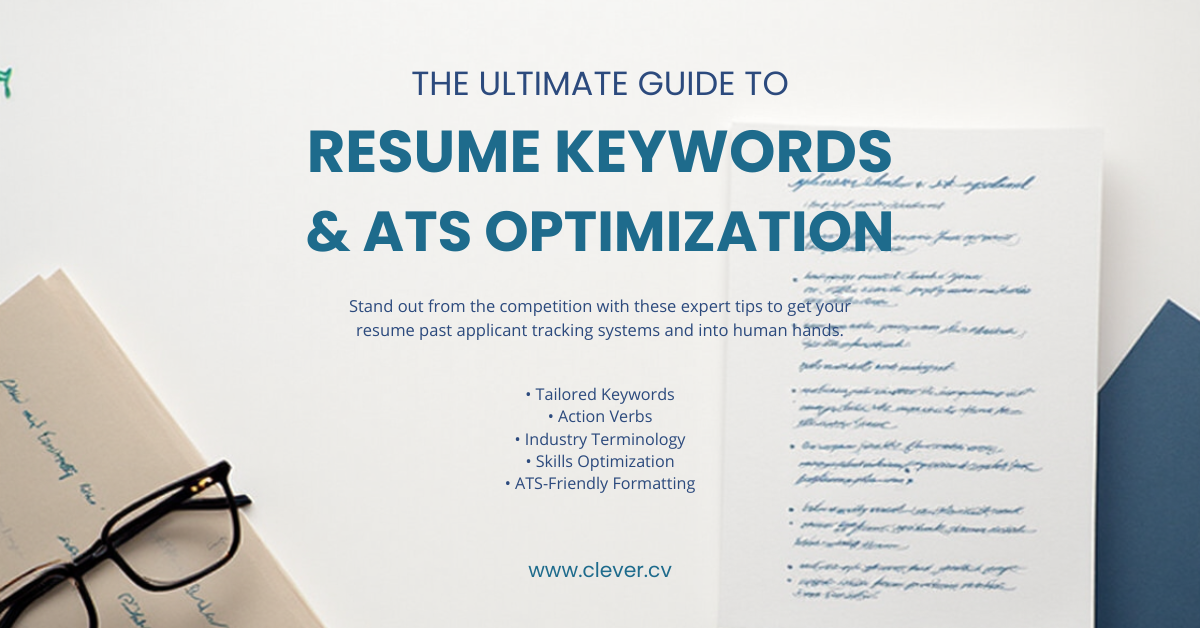
Did you know that over 75% of resumes never reach human eyes? They're filtered out by Applicant Tracking Systems (ATS) before a recruiter even has a chance to review them. Understanding how these systems work—and how to optimize your resume for them—is crucial for modern job seekers.
What is an Applicant Tracking System (ATS)?
An Applicant Tracking System is software used by employers to collect, sort, scan, and rank job applications. These systems help companies manage the hundreds or thousands of resumes they receive for each position.
Key ATS functions include:
- Storing and organizing candidate information
- Scanning resumes for relevant keywords
- Ranking candidates based on match percentage
- Filtering out unqualified applicants
- Tracking candidates through the hiring process
Popular ATS platforms include Taleo, Workday, Greenhouse, Lever, and iCIMS. While each system works slightly differently, the core principles of optimization remain the same.
How ATS Scanning Works
When you submit your resume, the ATS:
- Parses your document - Extracts text and categorizes it into fields (name, email, work experience, education, skills)
- Searches for keywords - Scans for terms that match the job description
- Calculates a match score - Ranks your resume based on keyword relevance and frequency
- Filters candidates - Resumes below a certain score may be automatically rejected
Understanding this process is the first step to optimization.
The Art and Science of Resume Keywords
What Are Resume Keywords?
Keywords are specific words and phrases that describe qualifications, skills, and experiences relevant to a job. They typically fall into these categories:
- Hard skills: Technical abilities (Python, financial modeling, project management)
- Soft skills: Personal attributes (leadership, communication, problem-solving)
- Job titles: Current and desired positions (Marketing Manager, Software Engineer)
- Industry terms: Specialized vocabulary (agile methodology, HIPAA compliance, SEO)
- Certifications: Professional credentials (PMP, CPA, AWS Certified)
- Tools and technologies: Software and platforms (Salesforce, Adobe Creative Suite, SQL)
How to Find the Right Keywords
1. Analyze the Job Description
The job posting is your keyword goldmine. Look for:
- Skills listed in requirements and preferences
- Repeated words and phrases
- Technical tools and software mentioned
- Certifications or qualifications required
2. Research Multiple Similar Postings
Look at 5-10 similar job postings to identify common keywords in your target role. Words that appear across multiple listings are likely important.
3. Review Industry Resources
- Professional association websites
- LinkedIn profiles of people in similar roles
- Industry publications and job boards
4. Use Keyword Research Tools
Tools like JobScan, Resume Worded, or our built-in optimizer can help identify missing keywords.
Strategic Keyword Placement
Where you place keywords matters. Prioritize these locations:
- Professional Summary: Include 3-5 key skills and your target job title
- Skills Section: List technical and relevant soft skills
- Work Experience: Incorporate keywords naturally into achievement bullets
- Job Titles: Use standard industry titles (add variations if your company used unique titles)
- Education/Certifications: Include relevant credentials spelled out fully
Keyword Optimization Best Practices
- Use exact matches: If the job says "project management," use that exact phrase
- Include variations: Use both "PM" and "Project Management"
- Spell out acronyms: Write "Search Engine Optimization (SEO)" at least once
- Be specific: "JavaScript" is better than "programming languages"
- Avoid keyword stuffing: Keywords must appear naturally in context
- Match the job level: Use appropriate seniority terms (Senior, Lead, Manager)
ATS-Friendly Formatting Guidelines
Document Format
- File type: Submit as .docx or PDF (check application instructions)
- Standard fonts: Arial, Calibri, Times New Roman, Georgia (10-12pt)
- Simple structure: Avoid complex layouts, columns, or creative designs
Section Headings
Use standard, recognizable headings:
- Work Experience (not "Career Journey")
- Education (not "Academic Background")
- Skills (not "Areas of Expertise")
- Professional Summary (not "About Me")
Things to Avoid
- ❌ Tables and columns (ATS may scramble the content)
- ❌ Headers and footers (content may not be parsed)
- ❌ Images, graphics, or logos
- ❌ Text boxes
- ❌ Special characters or symbols
- ❌ Embedded charts or graphs
Things to Include
- ✅ Standard bullet points (•, -, or *)
- ✅ Clear section breaks
- ✅ Consistent date formatting (MM/YYYY or Month YYYY)
- ✅ Full company names alongside abbreviations
- ✅ Standard job titles
Testing Your Resume for ATS Compatibility
The Copy-Paste Test
- Open your resume in its original format
- Select all text and copy it
- Paste into a plain text document (Notepad)
- Review: Is all information present and in logical order?
If the text appears scrambled or information is missing, ATS systems will likely have the same problem.
Use an ATS Scanner
Several tools can analyze your resume against specific job descriptions:
- JobScan
- Resume Worded
- TopResume's ATS checker
- Our built-in resume analyzer
Balancing ATS Optimization with Human Readers
Remember: the goal is to pass ATS screening AND impress human recruiters. Here's how to balance both:
- Write for humans first: Your resume must be engaging and readable
- Optimize for ATS second: Incorporate keywords naturally
- Tell a story: Achievement bullets should be compelling, not just keyword-stuffed
- Maintain professionalism: Don't sacrifice quality for optimization
- Use context: Keywords in context rank higher than isolated mentions
Industry-Specific Keyword Examples
Technology/IT
Python, JavaScript, AWS, Azure, Agile, Scrum, DevOps, CI/CD, machine learning, data analysis, SQL, API development, cloud computing, cybersecurity
Marketing
SEO, SEM, content marketing, Google Analytics, social media marketing, brand management, marketing automation, CRM, lead generation, A/B testing, ROI, campaign management
Finance
Financial modeling, forecasting, budgeting, GAAP, financial analysis, risk management, compliance, auditing, SAP, QuickBooks, Excel, variance analysis
Healthcare
Patient care, HIPAA, electronic health records (EHR), clinical documentation, medical terminology, care coordination, quality improvement, Epic, Cerner
Sales
Business development, account management, CRM, Salesforce, pipeline management, quota attainment, contract negotiation, client relationships, revenue growth
Common ATS Optimization Mistakes
- Over-optimization: Stuffing keywords makes your resume unreadable
- Ignoring context: Keywords need to appear naturally in sentences
- Missing variations: Include both acronyms and full terms
- Generic keywords: Focus on specific, relevant terms for each job
- Outdated format: Using old resume formats that ATS can't parse
Conclusion: Your ATS Optimization Checklist
Before submitting your resume, verify:
- ☐ Keywords from job description are incorporated naturally
- ☐ Standard section headings are used
- ☐ Format is clean and simple (no tables, graphics, or text boxes)
- ☐ Both acronyms and full terms are included
- ☐ File saved as .docx or PDF per instructions
- ☐ Copy-paste test shows all content correctly
- ☐ Contact information is in the main body (not header)
- ☐ Standard fonts at readable sizes are used
- ☐ Resume is still engaging for human readers
- ☐ Match score checked with an ATS scanning tool
Mastering ATS optimization doesn't mean gaming the system—it means presenting your qualifications in a format that both machines and humans can easily understand and appreciate.
Ready to create an ATS-optimized resume? Our resume builder automatically formats your resume for ATS compatibility while helping you incorporate the right keywords for your target role.