The Hidden Gatekeeper Rejecting Your Resume
You've perfected your resume. Tailored every bullet point. Triple-checked for typos. You hit "submit" with confidence—and never hear back. The frustrating truth? A human probably never saw your application. A robot rejected you first.
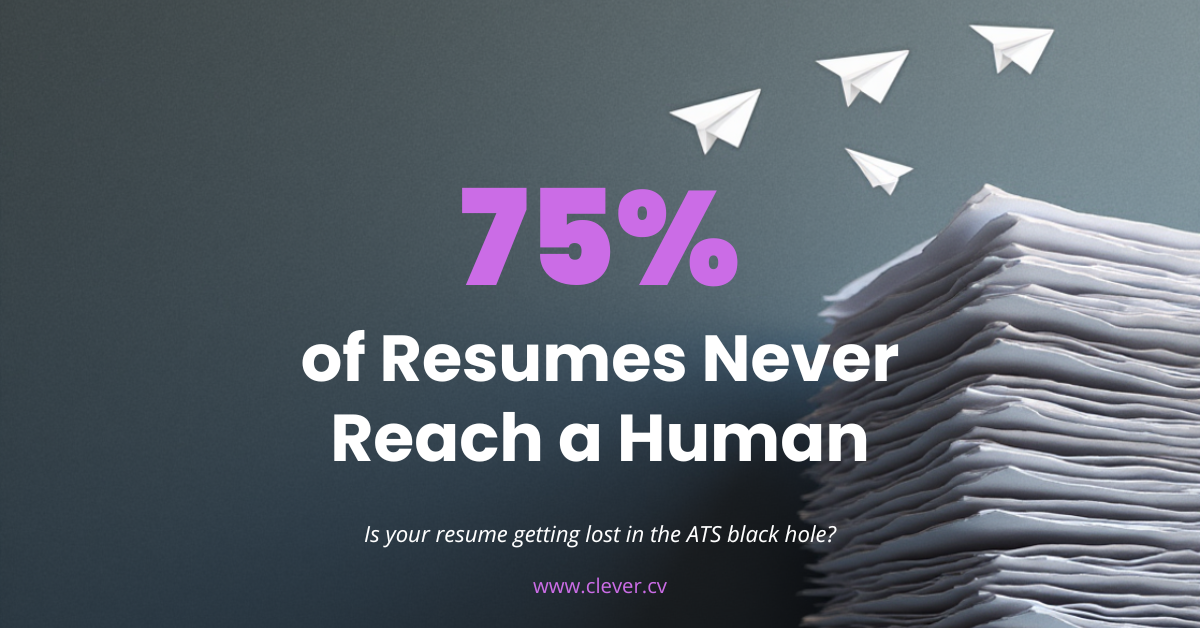
This isn't a bug in the hiring process—it's the feature. Companies receive hundreds or thousands of applications for every open position. To manage this flood, over 98% of Fortune 500 companies and 75% of all employers use Applicant Tracking Systems (ATS) to automatically screen resumes.
If your resume isn't optimized for these digital gatekeepers, you're invisible—no matter how qualified you are.
What Is an ATS (And Why Should You Care)?
An Applicant Tracking System is software that scans, parses, and ranks resumes based on keywords, formatting, and relevance to the job posting—before any human reviews them.
Popular ATS platforms include Taleo, Workday, Greenhouse, Lever, iCIMS, and BambooHR. Each works slightly differently, but they all do the same thing: filter out candidates automatically.
How the ATS Process Works
Why Resumes Get Rejected by ATS
Your resume can be rejected for reasons that have nothing to do with your qualifications. Here are the most common ATS killers:
The Keyword Problem
ATS systems match your resume against keywords from the job posting. If you don't include the right terms—in the right way—you're automatically filtered out.
"5+ years of project management experience with PMP certification, proficient in Agile/Scrum methodology and JIRA"
"Experienced leader with strong organizational skills. Managed multiple initiatives using modern methodologies and tracking tools."
"PMP-certified Project Manager with 7 years of experience. Led cross-functional teams using Agile and Scrum methodologies, tracking all deliverables in JIRA."
The ATS Scoring System
Most ATS platforms score your resume from 0-100% based on how well it matches the job requirements. Here's what typically happens:
→ Forwarded to recruiter for review
→ Maybe reviewed if candidate pool is small
→ Automatically rejected—never seen by humans
How to Beat the ATS: 10 Essential Rules
ATS-Friendly vs. ATS-Killed: Real Examples
Contact Section
[Contact info placed in document header—ATS cannot read this]
John Smith
[email protected] | (555) 123-4567 | New York, NY | linkedin.com/in/johnsmith
Skills Section
[Visual progress bars showing skill levels—ATS sees nothing]
Technical Skills: Python, JavaScript, SQL, AWS, Docker, Kubernetes, React, Node.js, Git
Work Experience
[Dates on left, content on right—ATS scrambles the text order]
Marketing Manager | ABC Company | Jan 2020 - Present
• Increased lead generation by 145% through SEO optimization
ATS Optimization Checklist
Before submitting your next application, verify:
The Bottom Line
The ATS isn't going away. As application volumes continue to rise, companies will rely on automated screening even more. But here's the good news: most candidates don't optimize for ATS—which means if you do, you immediately jump ahead of 75% of your competition.
- Format for machines first, humans second
- Include exact keywords from every job posting
- Keep design simple—creativity kills your chances
- Test your resume before submitting
Remember: You can't impress a hiring manager who never sees your resume. Beat the robot first, then wow the human.
Our AI-powered resume builder automatically formats your resume for ATS compatibility, suggests relevant keywords from job postings, and ensures your qualifications actually reach human recruiters.
Build Your ATS-Proof Resume